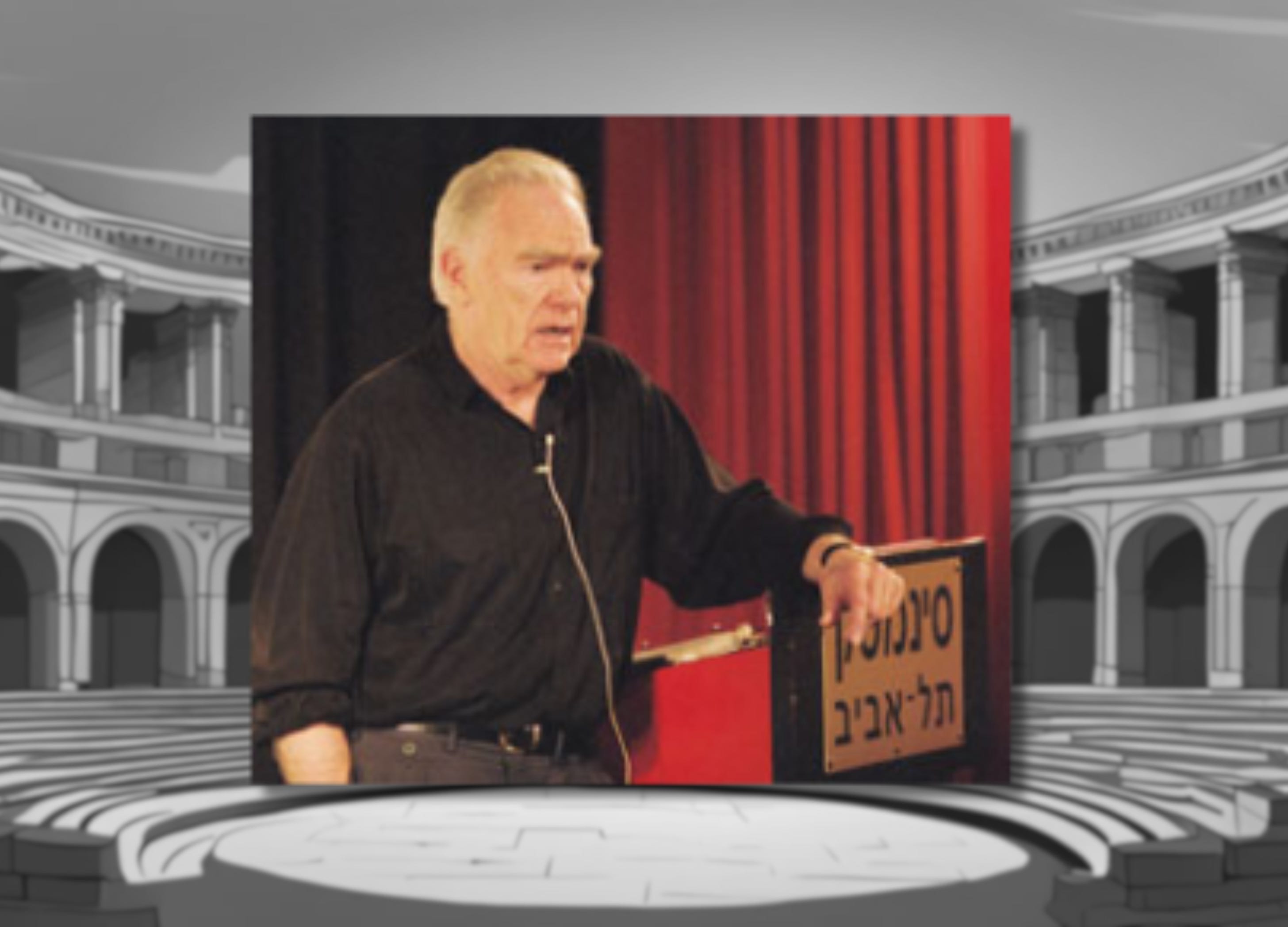
How to Write Character-Specific Dialogue
Summary of "Dialogue" by Robert McKee

📚 Dialogue is a must-read for fiction writers.
🕒 Save time by reading my comprehensive summary.
My summary is broken into four posts:
Part 1: Dialogue is action
Part 2: Understanding the silent language
Part 3: How to deliver exposition through dialogue
Part 4: How to write character-specific dialogue
Here is Part 4:
Dialogue should not be interchangeable.
Every character should speak in their own way.
Do this by expressing the two primary dimensions of characterization:
Knowledge (what a character knows)
Personality (how a character acts)
A character’s knowledge tends to be expressed in the names of things (nouns and verbs).
If a character uses a vague phrase such as “a big nail” to describe what something is, we sense that he has a limited knowledge of carpentry.
But if he calls the thing— “shank,” “spike,” “corker,” — we sense he has more knowledge.
Personality tends to be expressed in the modifiers that color those nouns and verbs.
A character’s life experience (beliefs, attitudes, individuality) are mainly expressed by how things are described.
Imagine two characters looking at a firework show. One describes it as “big” and the other as “stupendous.” These two adjectives convey two very different personalities.
Knowledge: Expressed through nouns and verbs
Personality: Expressed through modifiers (adjectives, adverbs, voice, modals)
Let’s explore each dimension further…
1. Knowledge:
Generic nouns and verbs suggest ignorance.
Specific names of objects and actions convey a superior mentality.
If a character remembers that someone “moved slowly across the room,” we sense that his recall is dull.
But if his dialogue sharpens and he says that someone else “sauntered", “waltzed", “padded" across the room, his choice of verb suggests a vivid memory.
2. Personality:
There are four modifiers that communicate a character’s beliefs, attitudes, and individuality.
First, adjectives. Two characters may use different adjectives to describe the same film: “fine” and “genius.”
Second, adverbs. Two characters may use different adverbs to describe the same motorcycle passing by: “quickly” and “ferociously.”
Third, voice. Whether a character speaks in the active or passive voice.
Active Voice: The subject acts within the sentence
“John wrote the book.”
Passive Voice: The subject is acted upon within the sentence
‘The book was written by John.”
Someone who says “The family planned the wedding” (active) could have a very different worldview and temperament compared to someone who says “The wedding was planned by the family” (passive).
Fourth, modals. Modal verbs (could, can, may, might, must, ought, shall, should, will, would) attach to core verbs and add personal expression to dialogue. They convey the level of ability, possibility, obligation, and permission that one feels in life.
Someone who says “The family could plan the wedding” versus someone who insists “All weddings must be planned by families” are probably two very different personalities.
Continue reading my Dialogue summary:
Part 1: Dialogue is action
Part 2: Understanding the silent language
Part 3: How to deliver exposition through dialogue
Part 4: How to write character-specific dialogue
Summaries are available only to C.S.M. Fiction paid subscribers. Thank you for your support.